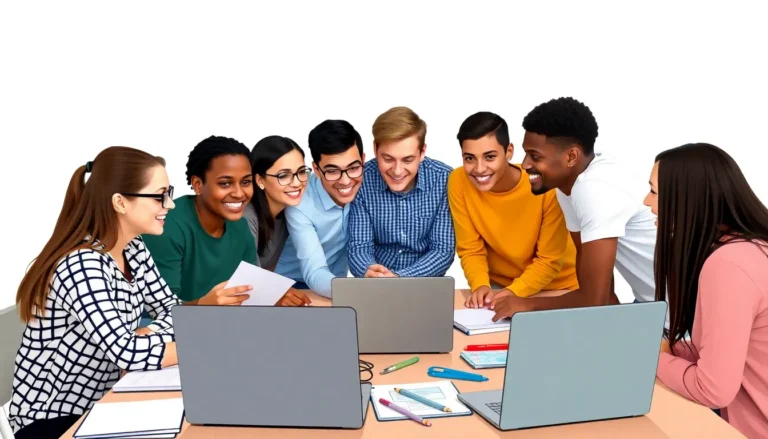
Navigating the tumultuous years of adolescence can be challenging for many teens. With pressures from school, friendships, and family dynamics, emotional struggles often arise. Teen group therapy offers a supportive environment where young people can connect, share experiences, and learn from one another.
In these sessions, participants discover they’re not alone in their feelings and challenges. Group therapy fosters a sense of belonging while encouraging open dialogue about mental health. As teens engage with peers facing similar issues, they build resilience and develop coping strategies that can last a lifetime. This approach not only promotes healing but also empowers teens to take charge of their emotional well-being.
What Is Teen Group Therapy?
Teen group therapy involves a structured setting where adolescents engage with peers under the guidance of a trained therapist. Participants typically share common challenges, such as anxiety, depression, or relationship issues.
Therapy sessions focus on several key components:
- Peer Support: Teens find camaraderie in shared experiences, promoting empathy and understanding among members.
- Facilitated Discussions: Therapists provide a safe environment for open dialogue, allowing teens to articulate their thoughts and feelings without judgment.
- Skill Building: Participants learn coping strategies and interpersonal skills, like active listening and conflict resolution.
- Emotional Validation: Group settings help teens recognize and validate their emotions, reinforcing the idea that their feelings are normal and shared.
Overall, teen group therapy serves as a vital resource for young individuals, fostering emotional growth while enhancing mental health awareness.
Benefits of Teen Group Therapy

Teen group therapy offers several advantages that contribute to emotional well-being and personal development.
Emotional Support
Emotional support is a fundamental aspect of teen group therapy. Participants share their experiences and feelings in a safe environment, reducing feelings of isolation. They realize others face similar challenges, fostering connections that validate emotions. This support helps build resilience and decreases anxiety and depression symptoms. According to a study by the American Psychological Association, peer support in group settings significantly enhances emotional regulation and coping strategies among adolescents.
Social Skills Development
Social skills development occurs naturally in group therapy settings. Teens engage in conversations, practice active listening, and learn to express emotions effectively. Through role-playing and group discussions, they enhance communication skills and build confidence. These interactions enable participants to develop empathy and understand different perspectives. A report by the National Alliance on Mental Illness indicates that improved social skills contribute to better relationships and academic performance among adolescents.
Techniques Used in Teen Group Therapy
Teen group therapy employs various techniques to support adolescents in their mental health journey. These methods are designed to facilitate self-expression, enhance coping skills, and promote interpersonal connections.
Cognitive Behavioral Therapy
Cognitive Behavioral Therapy (CBT) focuses on the relationship between thoughts, feelings, and behaviors. In a group setting, participants identify negative thought patterns and learn to challenge them. They practice reframing these thoughts into positive or constructive ones. Group members often share their experiences, fostering a sense of community and mutual support. This technique encourages problem-solving, leading to improved emotional regulation and resilience against anxiety and depression. Studies show that CBT effectively reduces symptoms in adolescents, making it a cornerstone technique in teen group therapy.
Art and Play Therapy
Art and Play Therapy use creative modalities to facilitate expression and exploration of emotions. Participants engage in artistic activities such as drawing, painting, or sculpting to represent feelings they may struggle to articulate verbally. This non-verbal approach can help reduce anxiety and enhance self-esteem, allowing adolescents to process complex emotions in a safe environment. Group dynamics encourage sharing and discussion of the created pieces, enriching peer connections and deepening understanding. These therapeutic techniques also boost creativity and provide valuable coping strategies. Research supports their effectiveness in improving emotional expression and social skills among adolescents.
Challenges in Teen Group Therapy
Participants in teen group therapy face several challenges. These obstacles can impact the overall effectiveness of the sessions and the comfort level of individuals involved.
- Fear of Vulnerability: Many teens hesitate to share personal experiences due to concerns about judgment or validation. This fear can hinder open communication and limit the benefits of group support.
- Group Dynamics: Interactions among peers can influence participation. Conflicts or cliques may arise, creating an environment that feels uncomfortable for some members. Navigating these dynamics is crucial for a successful therapeutic experience.
- Diverse Backgrounds: Participants often come from varied cultural and socioeconomic backgrounds, which can affect perspectives and experiences. While this diversity enriches discussions, it can also create misunderstandings or discomfort if not addressed properly.
- Resistance to Change: Adolescents may struggle with accepting new coping strategies or altering their thought processes. This resistance can delay progress and minimize the effectiveness of therapeutic interventions.
- Limited Time: Group therapy sessions typically have a set duration, which can restrict the depth of discussions. Participants may feel rushed, leaving important topics unaddressed. Ensuring adequate time for each individual’s concerns is vital for maximizing impact.
- Peer Pressure: The desire to fit in can lead some teens to conform to group norms, potentially stifling authentic expression. Building a culture of acceptance and encouragement fosters a safe space for all participants.
Addressing these challenges requires skilled facilitation and a supportive environment, ensuring that the therapeutic benefits of group therapy are fully realized.
Teen group therapy serves as a powerful tool for adolescents navigating the complexities of their emotional landscape. By providing a safe space for sharing and connecting with peers, it fosters resilience and enhances mental health awareness.
Through the guidance of trained therapists, young individuals gain valuable skills that not only help them cope with current challenges but also prepare them for future obstacles. The supportive environment encourages open dialogue and emotional validation, essential for personal growth.
Ultimately, teen group therapy equips adolescents with the tools they need to thrive both socially and emotionally, paving the way for healthier relationships and improved academic performance. Embracing this therapeutic approach can make a significant difference in their mental well-being.